Walking into a dispensary can feel exciting. It can feel confusing, too. Shelves hold dozens of products. The labels list strange names. THC numbers jump around. How does anyone pick the right one?
That question leads straight to the topic of Choosing the Right Cannabis Strains for You.
Think of cannabis strains like coffee beans. One cup feels calm and smooth. Another wakes your brain fast. The plant stays the same. The experience changes.
The same idea applies to cannabis.
Different strains may influence:
- energy levels
- mood
- focus
- relaxation
The good news? Learning the basics does not take long.
A few simple factors guide smart decisions:
- your goals
- your tolerance
- strain chemistry
- time of day
Many experienced consumers say the same thing. The right strain can turn a good experience into a great one.
Ready to learn how it works?
Choosing the Right Cannabis Strains for You: A Simple Start
Many beginners ask a basic question.
“Where do I even start?”
The easiest way begins with the classic strain categories.
Cannabis strains often fall into three groups:
- Indica
- Sativa
- Hybrid
Think of these groups like personality types.
Indica strains often make you feel calm. People use them during quiet evenings. A movie night works well.
Sativa strains often feel more uplifting. Some users report creative thinking or mental energy.
Hybrid strains mix traits from both parents. Many modern strains fall into this category.
How does this help?
Picture two people.
One wants help relaxing before bed. Another wants to focus during a social event.
Would they choose the same strain?
Probably not.
That is why Choosing the Right Cannabis Strains for You starts with intention.
Ask simple questions:
- Do I want energy or calm?
- Daytime or nighttime use?
- Social or private setting?
Your answers point toward a better strain choice.
Effects and Potency Levels in Modern Cannabis
Potency matters. A lot.
Modern cannabis contains different cannabinoid levels. The most well-known compound is THC.
THC creates the well-known “high.” CBD produces milder effects.
Imagine two strains:
- One contains 10% THC
- One contains 25% THC
The experience may feel very different.
That difference explains why choosing the Right Cannabis Strains for you requires attention to potency.
Beginners often prefer moderate levels. High-potency strains can feel overwhelming.
Experienced consumers may seek stronger products.
Common THC ranges include:
| THC Level | Typical Experience |
| Low (5–10%) | Mild relaxation |
| Medium (10–18%) | Balanced effects |
| High (18–25%+) | Strong psychoactive effects |
CBD levels play a role, too.
Some strains contain balanced THC and CBD. These options often produce a smoother feeling.
Aroma Compounds and Flavor Profiles in Cannabis
Have you ever smelled cannabis and noticed citrus, pine, or fruit?
Those scents come from aromatic compounds called terpenes.
These natural compounds shape flavor and influence effects.
Think of them like spices in cooking.
A tiny change alters the final result.
Popular terpene scents include:
- lemon
- pine
- lavender
- pepper
- mango
Each scent creates a unique experience.
For example:
- Citrus aromas often feel uplifting
- Herbal scents may feel soothing
- Earthy notes feel grounding
This sensory layer plays a large role in choosing the Right Cannabis Strains for you.
Imagine tasting two different apples.
One tastes crisp and bright. Another tastes deep and sweet.
Cannabis strains create similar variation.
Many consumers start recognizing favorites after a few tries.
Soon they say things like:
“I love citrus strains.”
Or:
“Earthy strains help me relax.”
Your nose becomes a guide.
Pretty cool, right?
Lifestyle Factors That Influence Cannabis Selection
Cannabis works best when it matches your lifestyle.
That sounds obvious. Many people overlook it.
Picture a morning workout.
Would a heavy, relaxing strain fit that moment?
Probably not.
Now imagine late evening after a long day.
A calming strain might feel perfect.
Lifestyle shapes Choosing the Right Cannabis Strains for You in several ways:
Activity level
- active daytime routines
- relaxed evening habits
Mood goals
- creativity
- calm thinking
- social comfort
Environment
- home relaxation
- social gatherings
- outdoor activities
Let’s look at a simple example.
A graphic designer works late hours. Creative focus matters.
They might prefer strains reported to support clear thinking.
A person with a stressful job may prefer calming strains for evening recovery.
Small details change everything.
Your routine acts like a compass. It points toward better strain choices.
Tips for Safely Trying New Cannabis Varieties
Trying new strains can feel fun.
It can feel overwhelming, too.
A smart approach keeps the experience positive.
Start small.
This advice appears again and again among experienced consumers.
Begin with low doses. Give your body time to respond.
Helpful tips include:
- Start with a small amount
- Wait before increasing dosage
- Track how you feel
Some people even keep a strain journal.
They record:
- strain name
- potency level
- mood before use
- mood after use
This method improves Choosing the Right Cannabis Strains for You over time.
Think of it like testing recipes.
Each attempt teaches something new.
Another tip?
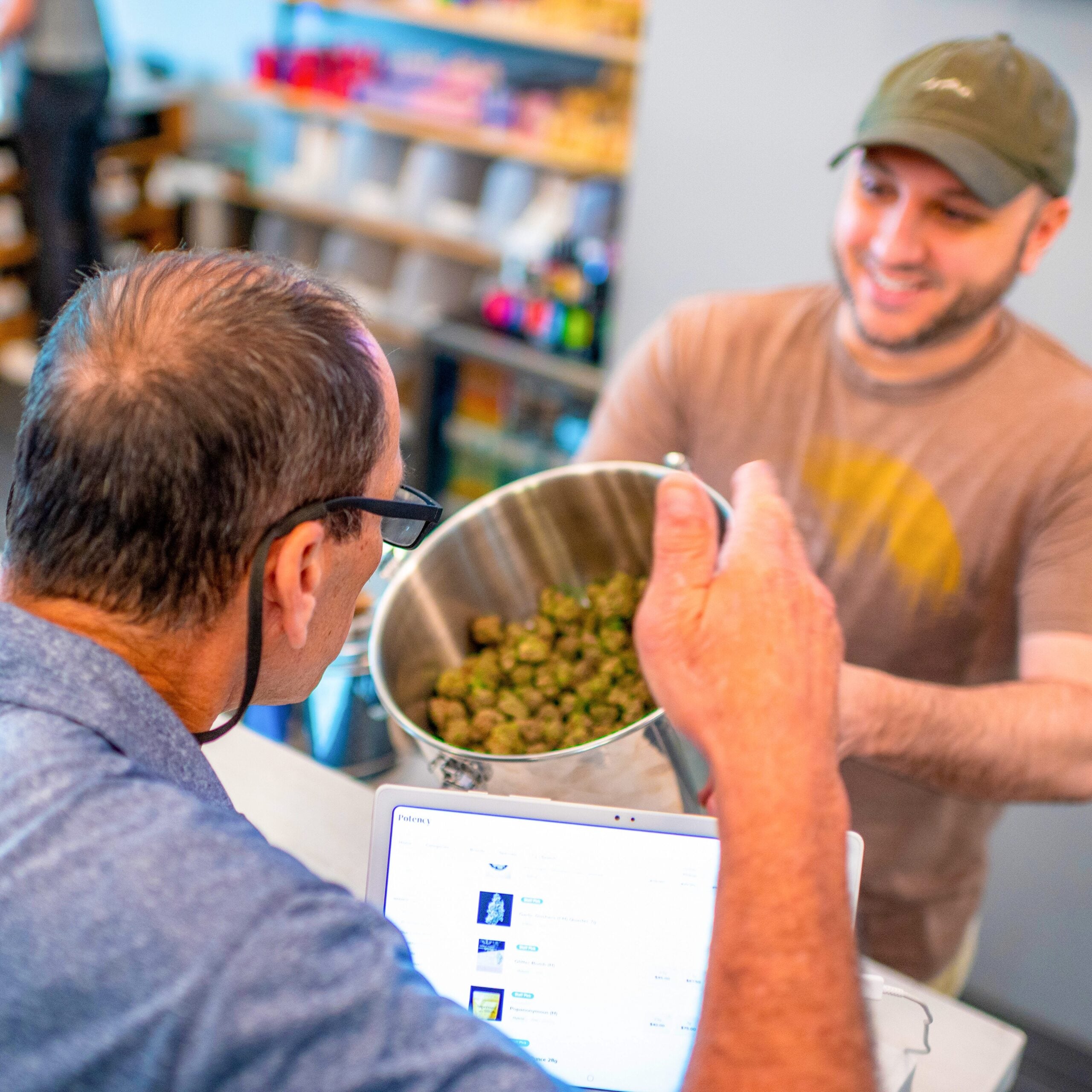
Talk with knowledgeable dispensary staff.
Many budtenders spend years learning products. Their insight often helps new consumers find good matches.
Curiosity helps too.
Ask questions. Explore slowly. Notice what works.
Choosing the Right Cannabis Strains for You Based on Experience
Your experience level plays a big role in choosing the right cannabis strains for you.
Beginners often prefer milder strains. Balanced cannabinoid profiles feel easier to manage.
Intermediate users start exploring broader options.
They notice differences in:
- flavor
- strength
- mood impact
Experienced users often search for specific effects.
They might say things like:
“I want something relaxing yet clear-headed.”
Or:
“I prefer fruity strains with moderate THC.”
This progression happens naturally.
Think of it like learning coffee.
At first, coffee tastes simple.
Later, you notice:
- chocolate notes
- citrus brightness
- smoky depth
Cannabis appreciation grows in the same way.
The more strains you try, the clearer your preferences become.
Soon, choosing the right cannabis strains for you feels less like guessing.
It feels like a skill.
Frequently Asked Questions
What is the best way to begin choosing the right cannabis strains for you?
Start with mild strains and moderate THC levels. Pay attention to how your body reacts. Gradual learning helps you discover personal preferences without overwhelming effects.
Do cannabis strains really feel different from each other?
Yes. Different strains contain different cannabinoid and terpene profiles. These compounds influence mood, relaxation, energy, and mental clarity.
Is THC level the most important factor when selecting a strain?
THC matters, yet it is not the only factor. Terpenes, CBD levels, and personal tolerance shape the experience too.
How many strains should a beginner try at first?
Start with one or two strains. Use them a few times before switching. This method helps you understand the effects clearly.
Can choosing the Right Cannabis Strains for you improve your experience?
Yes. The right strain can match your mood, activity, and comfort level. That match often leads to a smoother and more enjoyable session.
Should I ask the dispensary staff for recommendations?
Yes. Budtenders often know product details and customer feedback. Their suggestions may guide new consumers toward suitable strains.
Conclusion
Cannabis offers a wide variety. That variety creates both excitement and confusion.
Learning Choosing the Right Cannabis Strains for You removes much of that confusion.
Focus on a few key elements:
- strain category
- potency level
- aroma profile
- lifestyle fit
Start slow. Notice how your body responds. Record what works.
Soon patterns appear.
A favorite flavor emerges. Certain strains feel perfect during certain moments.
That discovery process makes cannabis exploration rewarding.
And the best part?
Your ideal strain may be waiting on the next shelf.