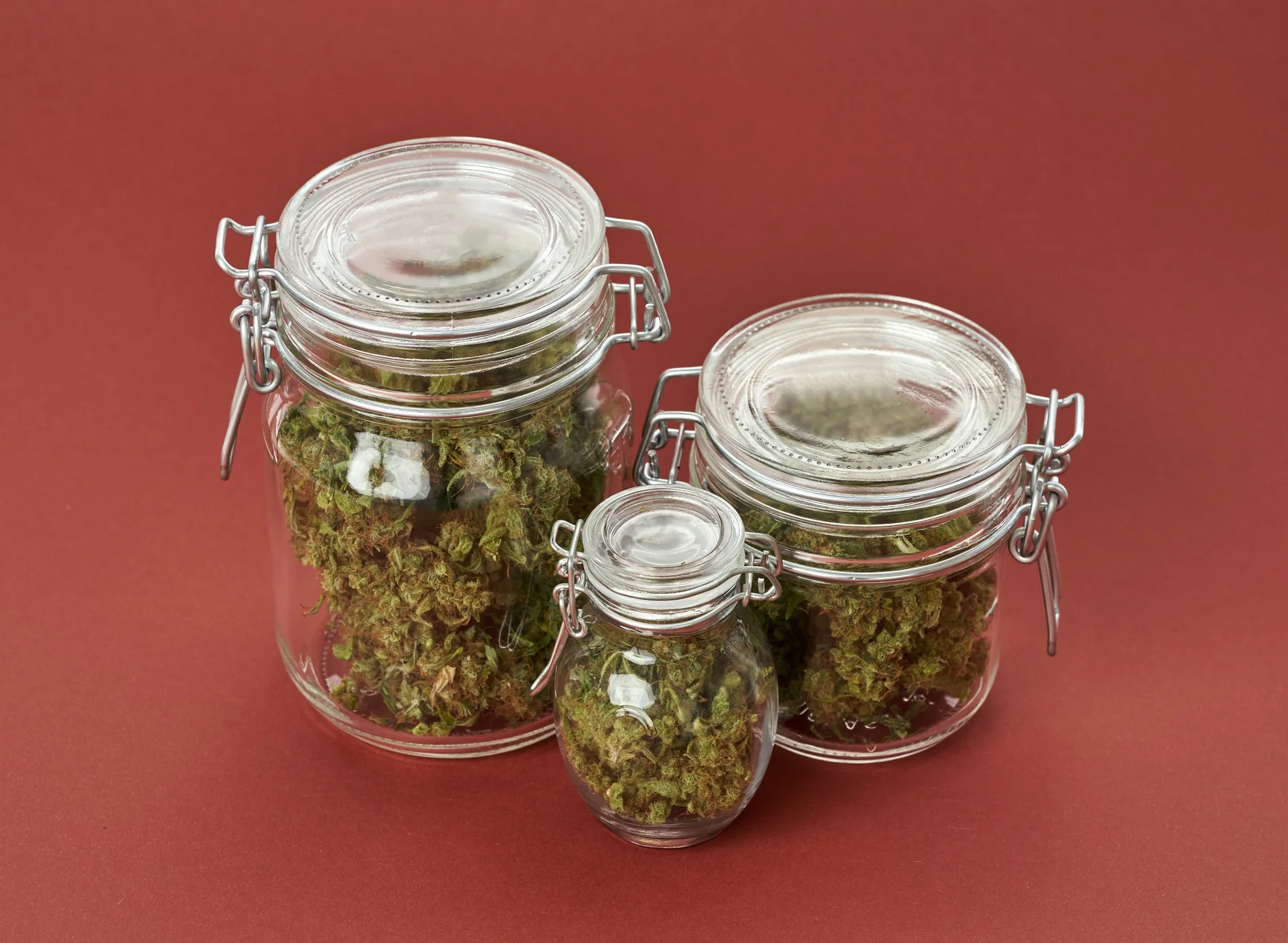
How much weed can you buy recreationally in Massachusetts? That question pops up often—especially for new buyers who want to avoid trouble and shop with confidence.
If you’ve ever walked into a dispensary and stared at labels thinking, “Is this too much? Am I allowed to buy this?”, you’re not alone. Plenty of shoppers feel the same thing. The good news? The state sets clear limits, and once you understand them, shopping feels simple.
I’ve spent years studying cannabis laws, talking with dispensary staff, and helping people figure out what they can buy without crossing a line. What you’ll read here comes from first-hand experience paired with state rules written right into Massachusetts law.
So let’s break it down in plain English, with examples, lists, and real guidance that helps you leave a dispensary feeling sure of your choices.
How Much Weed Can You Buy Recreationally in Massachusetts
Massachusetts sets fixed limits for recreational buyers. These limits apply each day, and dispensaries track everything you purchase in real time.
Here’s the core rule for adults 21 and older:
- Up to 1 ounce of cannabis or its equivalent per day:
- – 1 oz flower
- – OR up to 5 g concentrates/vapes
- – OR up to 500 mg THC in edibles
- – OR a mix of products that together equal 1 ounce in total
- (Topicals are unlimited.)
People often ask, “Why does the state treat each product differently?”
The short answer: THC concentration. Flower carries less THC per gram, while concentrates pack far more strength.
Picture this like grocery shopping. You might buy one whole fruit, but juice made from that fruit is stronger and more condensed. Same plant, different strength. That’s why the limits change.
A simple way to think about it:
- Flower = lighter potency → higher purchase allowance
- Concentrates = heavier potency → tighter restrictions
- Edibles = controlled THC limit → capped dose per package
Because dispensaries scan your ID for every purchase, you won’t accidentally go over your daily max. The system stops the sale automatically. Kind of like a safeguard that keeps everyone in the clear.
Massachusetts Dispensary Purchase Limits Explained
Understanding exact numbers helps you walk into a shop with confidence rather than guesswork.
Flower Purchase Limits
Flower sits at the core of recreational purchases. Most shoppers choose it first since it’s simple and comes in many strains.
You can buy up to 1 ounce (28 grams) per day.
If you’re unsure how much that looks like, think of:
- 1 ounce = about 28 small joints
- Or 7 grams = a small jar
- Or 14 grams = a medium-sized bag
Splitting your ounce into smaller bundles is totally fine. You can mix strains, sizes, and brands—your total just can’t go over 1 ounce.
Concentrate Purchase Limits
Concentrates include vape cartridges, dabs, shatter, wax, and similar products.
The state caps this at 5 grams because of the higher THC levels. Even a single gram can deliver a strong punch, so the limit sits much lower than flower.
Buyers often say, “But vape carts don’t look strong—why so strict?”Well, one cart holds way more THC per milliliter than ground flower. That’s why the limit exists.
Edible Limits
Massachusetts uses a THC-per-package rule:
- 100 mg THC per package (recreational)
- Maximum 5 mg THC per serving
You can buy multiple packages as long as the total THC stays within the 1 ounce equivalent (500 mg THC per day).
Dispensaries handle the math for you, which helps when you’re juggling gummies, chocolates, drinks, and baked treats.
You can find the most current cannabis laws and guidelines on the official Massachusetts state website.
How State Laws Compare With Federal Rules
Federal law still treats cannabis as illegal. So how does that coexist with Massachusetts’ rules? It’s confusing at first glance, but the practical impact is pretty clear.
Federal law bans cannabis possession entirely. State law allows possession and recreational buying up to specific limits. This creates a split system—one that works day-to-day as long as you follow state guidelines.
The most important thing? Keep your cannabis inside Massachusetts. Crossing state lines—no matter how small the amount—falls under federal rules, not state rules.
Think of it like carrying a pocketknife. Safe at home, but banned on an airplane. Same object, different rulebook.
This is why buyers need to watch:
- Where do they store their cannabis
- Where they travel
- How much do they carry in public
- Whether they’re near schools or federal buildings
State police enforce state limits. Federal agents enforce federal laws.
And the two don’t mix kindly.
Tips to Stay Within Legal Boundaries
New buyers often worry, “What if I mess up without knowing?”
Here are simple habits that keep you safe.
Safe Storage Tips
Cannabis must stay locked away when you travel. The trunk works great. If you drive a hatchback, use a closed container behind the rear seats.
At home:
- Keep products in child-proof containers
- Store them out of direct sunlight
- Label THC strengths and expiration dates
Ever opened a closet and found old food you forgot about? Cannabis can hide the same way. Clear labels help avoid unwanted surprises.
Transport Rules
Massachusetts law requires sealed, secure packaging while driving.
Opening packaging inside the car can bring fines, even if the amount is legal.
Ask yourself:
- Is everything sealed?
- Is it out of reach?
- Could an officer see it as “open”?
If anything feels questionable, stick it in the trunk.
ID and Age Checks
Every purchase requires a valid ID. If your ID is worn or unreadable, dispensaries can refuse entry.
It doesn’t matter if you “look old enough”—they must scan it.
Penalties and Risks Linked to Over-Purchasing
Going over your limit isn’t treated lightly. The state views excessive amounts as potential intent to distribute.
Civil Risks
- Fines starting at $100
- Confiscation of your cannabis
- Possible warnings or reporting
Criminal Risks
Higher amounts bring sharper penalties:
- Potential misdemeanor charges
- Court appearances
- Record impacts
- Loss of future purchase rights
Think of it like speeding. A tiny mistake gets a warning. Push too far, and the ticket gets big. Push even farther, and things get serious.
Common Buyer Mistakes
- Buying flowers and concentrates without adding the totals
- Forgetting that edible THC counts toward limits
- Keeping open packages in the car
- Crossing state borders with small amounts “by accident”
A lot of people get in trouble simply by not knowing the rules. Reading this guide already puts you ahead.
How to Plan Your Purchase for Personal Use
Buying within the limit doesn’t mean you need the full ounce.
Some people only need a few grams each week.
Here’s how to plan smarter.
Budget Ideas
Ask yourself:
- How much do I use weekly?
- Do I mix products?
- Do I want value or variety?
Buying a half-ounce instead of an ounce often saves money and keeps your stash fresher.
Product Type Comparisons
Here’s a quick table to help:
| Product Type | Strength | Best For | Storage |
| Flower | Mild to strong | Daily users | Cool, dry jars |
| Concentrates | Very strong | Experienced buyers | Airtight containers |
| Edibles | Long-lasting | Night use or stress relief | Pantry or fridge |
Think of it like coffee choices. Some folks sip a light roast. Others need a double espresso. Cannabis works the same way—pick what fits your routine.
How to Pick the Right Amount
Ask the dispensary staff. They help buyers every day and can show you grams, eighths, quarters, and ounces visually.
If you’re unsure, start small. You can always buy more tomorrow.
Conclusion
Understanding how much weed you can buy recreationally in Massachusetts helps you shop with confidence, stay safe, and avoid costly mistakes. Once you know the limits—1 ounce of flower, 5 grams of concentrates, and controlled edible amounts—you can enjoy your purchases without second-guessing yourself.
With smart planning, a clear sense of your needs, and a little awareness of the rules, you’ll feel far more relaxed walking into any dispensary in the state.